Read the smile
Assess oral health, bite, tooth position, proportions, shade, texture, smile line and facial relationship. The existing anatomy provides the starting point.
The smile is the reference. Treatment begins by understanding what is already there (health, position, proportion, shade, surface character and the relationship between the teeth and the face) before deciding what, if anything, should change.
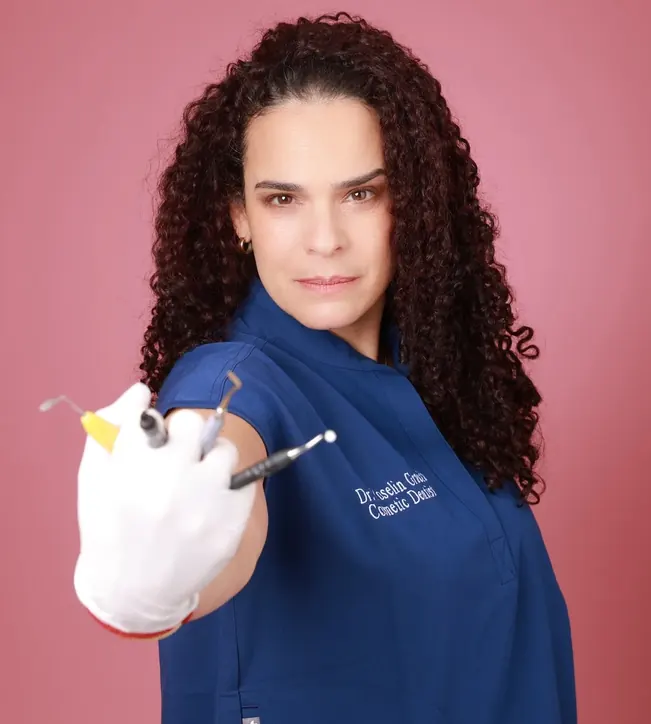
Cosmetic dentistry can become treatment-led very quickly: straighten, whiten, bond, repeat. Smile Fidelity reverses that order. The assessment comes first; the technique comes later.
Some features deserve correction because they affect health, function or the patient's own aesthetic concern. Others are simply part of the smile's character. The purpose of planning is to know the difference.
Assess oral health, bite, tooth position, proportions, shade, texture, smile line and facial relationship. The existing anatomy provides the starting point.
Separate what is clinically or aesthetically relevant from what is simply individual. A more uniform smile is not automatically a better smile.
Choose the treatment that fits the actual problem and use only as much intervention as the case requires. The goal is coherence, not standardisation.
The same concern can have different appropriate solutions depending on tooth position, enamel, bite, existing restorations, shade and the patient's priorities.
It is the name Dr. Yoselin uses for her aesthetic planning approach. It is not a proprietary clinical technique, a fixed protocol, a guarantee of outcome or a substitute for diagnosis. Treatment recommendations and results vary between patients.
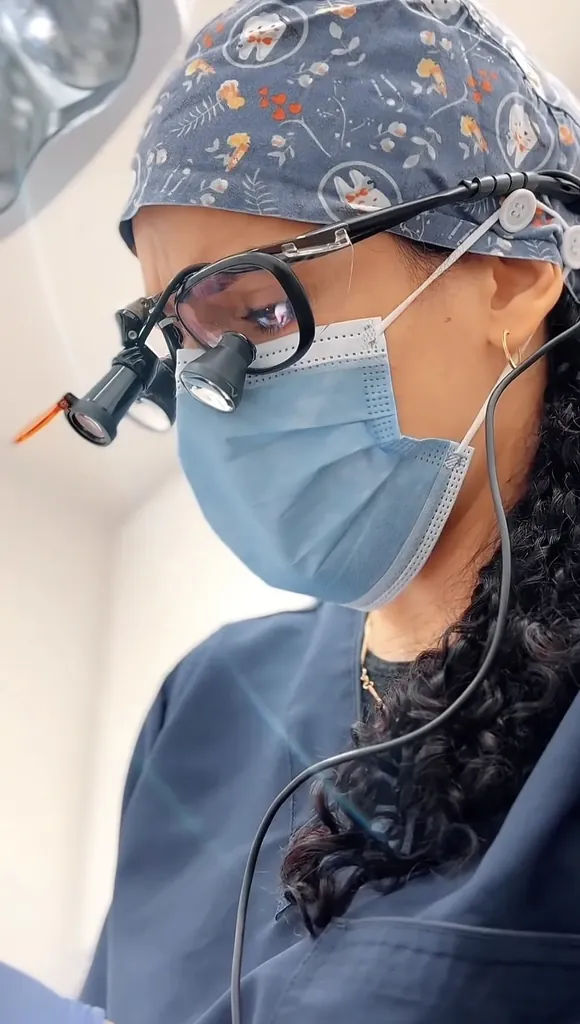
Tell Dr. Yoselin what you would like to discuss. The team will contact you to confirm the appropriate next step and, where suitable, arrange a cosmetic dentistry consultation.