Composite Bonding vs Veneers: Which Is Right for Your Smile?
Compare composite bonding and veneers for patients, including preparation, cost, repairability, longevity and natural-looking results. This page is written to help you understand your options before booking a personalised clinical assessment.
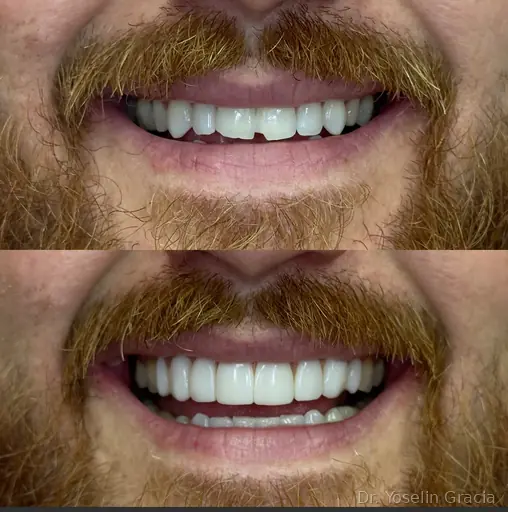
Main difference
Composite bonding uses tooth-coloured resin shaped directly onto the teeth. Porcelain veneers are laboratory-made shells, usually requiring more preparation and a higher cost.
Which is more conservative?
Composite bonding is often more conservative because it may need little or no drilling where suitable. Veneers can be better for more dramatic shade, shape or durability goals.
Which looks more natural?
Both can look natural when planned well. The best option depends on your enamel, bite, smile goals, budget and tolerance for maintenance.
Frequently asked questions.
General guidance only. Your own suitability needs a clinical assessment.
Is bonding cheaper than veneers?
Composite bonding is usually less expensive than porcelain veneers.
Do veneers last longer than bonding?
Porcelain veneers often last longer, but they usually involve more tooth preparation and cost.
Can I change from bonding to veneers later?
Often yes, depending on your teeth and how the bonding was placed.

Book your free consultation.
Tell Dr. Yoselin what you would like to improve and the team will contact you to arrange your free cosmetic dentistry consultation.